


最近一段時間,關于建立另一個歐洲足球聯賽的言論再次浮出水面,而大約在十年前,這個想法就被認為是明顯行得通的。拜仁CEO兼歐洲足球會協會(ECA)主席卡爾·海茵茨·魯梅尼格就在言論出現后表示,并不排除在未來幾年創辦歐洲超級足球聯賽的可能性。
接著,美國體育產業企業家史蒂芬·羅斯(Stephen Ross)的代表與英超頂級俱樂部高層在倫敦進行了一次秘密會面,使得關于歐洲足球版圖分裂的傳言進一步發酵。盡管那些參加會面的人士都強調他們是在討論國際冠軍杯的事宜,但很多評論者都推測關于歐洲超級足球聯賽的提案已經被提上議事日程。
眼下傳言的起源可以被追朔到近十年前的2007年,彼時,米歇爾·普拉蒂尼剛剛被選舉為歐足聯主席。在此之前,頂尖的歐洲俱樂部(包括曼聯和切爾西)早已于2000組成了G14聯盟。G14聯盟的建立是為了保護這十四個“自詡頂級”的俱樂部的利益,后來聯盟的成員變為18家。而利益中最重要的,則是這些俱樂部希望從歐戰中獲得更大的收益,并且一旦球隊中的球員參加國際足聯的國家隊賽事而受傷時,這些俱樂部可以獲得保險賠償。
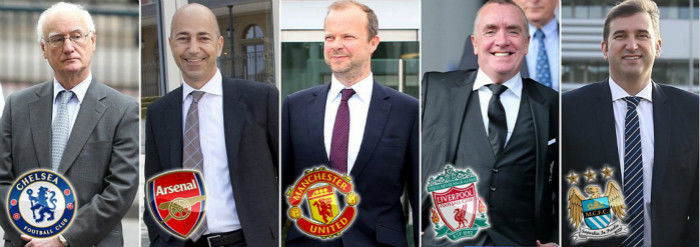
為了就這些事情向歐足聯和國際足聯施壓,G14一直威脅著要建立一個分離的超級聯賽。而他們的施壓也得到了回報,這些俱樂部在很多方面獲得了收益;例如,如果球員因為參加國家隊世界杯預選賽受傷不能參加俱樂部比賽,俱樂部將獲得保險賠償。盡管如此,許多歐洲足球的業內人士,尤其是普拉蒂尼,相信G14和歐洲的“頂級俱樂部們”已經變得過于強大,并且對比賽背后更廣泛的利益形成了威脅。
因此,當普拉蒂尼2007年參加歐足聯主席競選時,他宣布要推進改革。他在諸多方面強調了需要改革的必要,例如重新分配歐洲冠軍杯所帶來的收益。尤其是,他想讓歐洲足球變得更加平等,從而通過這種做法確保自己在歐洲足球小國的選票不會旁落。他也的確是這么做的,他的很多做法中的一項就是承諾增加歐洲足球小國從歐足聯比賽中獲得的收益。
與其同時,在認識到巴塞羅那和拜仁慕尼黑等豪門的影響力后,普拉蒂尼則展現出了他作為政治老手的一面。他成功地得到了豪門所在國家及足球相關協會的選票。之所以能做到這一點,是因為他承諾增加歐足聯的營收,使得他能同時付給大小俱樂部及足協更多的錢。有意思的是,正是在最新上任的國際足聯主席、那時還只是普拉蒂尼秘書長的詹尼·因凡蒂諾的幫助下,普拉蒂尼策劃和推動了以上的這些措施。
為了讓營收持續,普拉蒂尼同時承擔起了處理另一個問題的責任——即富有的俱樂部更加富有,從而可以花費大量的資金去獲得成功以便稱霸歐洲俱樂部比賽。法國人非常擔心某些俱樂部會迅速遭遇巨大的損失從而可能導致破產,這會影響歐洲足球的財政穩定。正是在這種背景下,歐足聯財政公平法案出臺,意在監測歐洲足球俱樂部的財政表現。
這一來一往,普拉蒂尼的種種舉措足以導致G14解散,接著G14被歐洲俱樂部協會(ECA)取代。ECA的任務在于代表更廣大俱樂部的利益并且實行民主管理。隨著ECA的崛起,G14的消失,普拉蒂尼政治手腕的左右,建立歐洲超級聯賽的念頭迅速被平息了。
時間迅速的來到2015年,FBI突襲了正在酒店為5月份主席競選做準備的國際足聯官員。這促使了接下來一連串密集調查行動的開展,從而導致剛剛贏得連任的國際足聯主席塞普·布拉特的辭職,直至最終被禁止從事足球相關活動。同時,新一屆國際足聯主席競選被提前至2016年2月份舉行,普拉蒂尼也宣布了他對這個職位的野心。普拉蒂尼的左右手因凡蒂諾也同時宣布將參加競選,大概是為了掩蓋他的上司被國際足聯道德委員會調查的事實。
后來,普拉蒂尼也和布拉特一樣,被禁止參與一切足球相關的活動,國際足聯的選舉準備也在沒有這兩位的情況下向前推進。這馬上使歐足聯和國際足聯出現了權利真空,從而在原來被普拉蒂尼安撫的歐洲俱樂部中激起了巨大的不確定性。幾乎在同一時間,ECA(主要通過魯梅尼格)開始質疑歐洲豪門是否應該繼續接受歐足聯對這些俱樂部的各種限制。
在此前兩位首領已經離去,一些潛在候選人深陷國際足聯調查的背景下,誰將成為歐足聯的新主席仍不得而知。因此,ECA對外的表態一方面是對歐足聯的不確定性做出回應,另一方面是對那些覬覦主席位置的人發出警告,讓他們正視這些俱樂部的訴求。盡管如此,許多ECA的會員俱樂部也對英超下賽季即將啟動的新電視轉播合同表示出了迫切的關注。這份合同是迄今為止在歐洲俱樂部歷史上金額最大的電視轉播合同,會使得英國俱樂部在與外國俱樂部對抗時擁有巨大的金元優勢,這種優勢可以大到連那些降級的英國俱樂部都會比歐冠冠軍賺得更多。
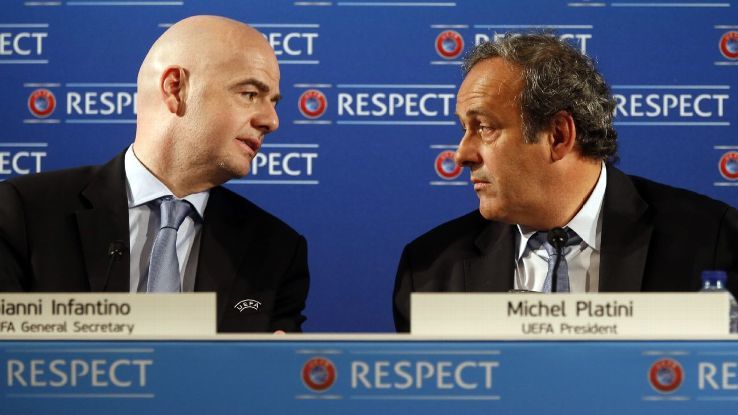
這個無法避免的局面引起了其他歐洲俱樂部和ECA的擔憂;但在尚未產生新的主席之前,歐足聯會是否會應對或者如何應對新英超轉播合同帶來的威脅仍然不得而知。此外,隨著因凡蒂諾成為國際足聯主席,并承諾會從國際足聯內部解決根深蒂固的管理問題,國際足聯將在處理上述局勢中扮演什么樣的角色也變得無法確定。在這些因素的作用下,英超俱樂部代表開始探討脫離現有比賽的做法,看起來是幾乎無法避免的。給予每個人不同的觀點和傾向,這樣的探討既可以看作是在挑釁,也有可能是一種防范措施。
歐洲足球更長遠的擔憂是來自于中國足球最近的發展;大型企業收購中超俱樂部和著名球員轉會震驚了許多歐洲的相關人士。與此同時,中國足球電視轉播合同價格的突然躥升也提醒了歐洲足球關于中超俱樂部潛在的財力以及中超和中超俱樂部對廣告的吸引力。中國因此對許多歐洲俱樂部和管理機構形成了競爭威脅;而隨后出現的關于在亞洲舉辦聯賽的討論也是歐洲足球對中國發展感到威脅的佐證。
直到因凡蒂諾對外公開他治理國際足聯的策略,直到歐足聯擁有一位新的主席,直到英超新的電視轉播合同生效,直到中國足球所帶來的實質威脅變得明顯,成立歐洲超級聯賽的傳言就不會平息。有人懷疑這種狀況還要持續一段時間,而關于建立歐洲超級足球聯賽的言論也很有可能會成為未來幾年最頻繁出現的話題之一。事實也確實如此,這種情況可能會持續,直到歐洲的頂級俱樂部可以獲得更加穩定的經營環境,直到權力真空的歐足聯等各方面拿出的更多政治手段來。
英文原文:
Recent weeks have seen the possibility of a European football breakaway league reappear almost a decade after the issue was last thought to be a distinct possibility. Karl-Heinz Rummenigge, chairman of the European Club Association and Bayern Munich CEO, recently said he is not ruling out a potential European Super League in the near future.
Further fuelling rumours of a split in European football, American sports entrepreneur Stephen Ross’ representatives have met officials from the English Premier League’s leading clubs in London. Although those involved in the meeting have stressed that they were discussing the International Champions Cup, many industry commentators have speculated discussions about a breakaway were on the agenda.
The origins of current rumours can be traced back nearly 10 years ago to the election of Michel Platini as UEFA president in 2007. Prior to this election, the leading European clubs (including the likes of Manchester United and Chelsea) had formed the G14 in 2000. The G14 was intended to safeguard the interests of these 14 self-appointed top clubs, which later became 18 clubs. Among other things, the clubs wanted a greater share of revenues from European competitions and insurance pay-outs for players involved in FIFA sanctioned national team games.
In order to press both UEFA and FIFA on these matters, the G14 constantly emphasised the threat of a breakaway super league. Their pressure paid-off, the top clubs were successful in several ways; for example, insurance arrangements are now in place for players who might be injured playing in a World Cup qualifying game and who therefore miss games for their clubs. However, many in European football, most notably Platini, believed the G14 and the continent’s ‘top clubs’ had become too powerful and were threatening the broader interests of the game.
Hence, when Platini stood for election as UEFA president in 2007, his manifesto advocated reform. He stressed the need for changes to the way in which, for example, revenues from the Champions League would be allocated to clubs. In particular, he wanted greater equality across European football, and therefore appealed to smaller nations to secure their votes. He did so by, amongst other things, promising to increase their revenue allocations from UEFA competitions.
At the same time, recognising that the likes of Barcelona and Bayern Munich were the jewels in the crown of European football, Platini also proved to be a highly adept politician. He successfully courted the vote of national associations representing the nations in which these bigger clubs were located. He did so by promising to grow UEFA’s revenues, thus enabling him both to pay-out more to bigger and smaller clubs and associations. Interestingly, he formulated and pursued this agenda under the careful guidance of his General Secretary, Gianni Infantino – the recently elected new FIFA president.
In building revenue streams, Platini also undertook to address the issue of richer clubs getting richer and dominating European club competitions by spending large amounts of money in order to succeed. The Frenchman was also anxious to ensure the financial sustainability of European football, as he was concerned that some clubs were rapidly heading towards massive losses and possible bankruptcy. This resulted in UEFA Financial Fair Play regulations, measures designed to moderate the financial performance of football clubs across Europe.
In combination, Platini’s package of initiatives was a sufficient condition for the G14 to dismantle, which in turn was replaced by the European Clubs Association (ECA). The ECA’s remit was to represent a much broader base of clubs and to build democratic governance. With the emergence of the ECA, the disappearance of the G14, and underpinned by Platini’s smart politicking, the pressure for a breakaway European Super League rapidly subsided.
Fast forward to 2015, and there were FBI raids on a hotel in which FIFA officials were staying ahead of the organisation’s presidential elections in May. This prompted a flurry of intense investigative activity which ultimately resulted in newly re-elected president Sepp Blatter initially resigning from the position and then, ultimately, him being banned from football. In the meantime, a new FIFA presidential election was called for February 2016, with Michel Platini announcing his intention to be a candidate. At the same time, Platini’s right-hand man Infantino also announced his candidature, probably as a political move intended to cover for his boss who was being investigated by FIFA’s Ethics Committee.
Subsequently, Platini joined Blatter in being banned from football and the FIFA presidential election went ahead without them. This immediately created a power vacuum at the top of both UEFA and FIFA, engendered a great deal of uncertainty among the European clubs which had earlier been placated by Platini Almost immediately, the ECA (most notably through Rummenigge) began to question whether or not Europe’s leading clubs could continue accepting the constraints imposed upon them by the likes of UEFA.
It remains unclear who will become UEFA’s new president now that the organisation’s two leading officials are no longer around and some of their potential replacements have also been adversely caught-up in investigations into FIFA. The ECA’s public posturing is therefore, in part, a response to UEFA uncertainty and a warning to potential incumbents that they need to take clubs seriously. However, many of the ECA’s clubs are also acutely aware that the English Premier League’s (EPL) new television contract will start at the beginning of next season. This deal is the biggest in European football club history and will result in English teams having a significant financial advantage over their European rivals. So great will this advantage become that even teams relegated from the EPL are likely to earn more than the team that wins the UEFA Champions League.
This inevitably concerns other European clubs and the ECA itself; but with no president confirmed in office at UEFA, it is unclear if or how the governing body will respond to the threats posed by the EPL’s new television deal. Furthermore, with Gianni Infantino now in office as FIFA president and committed to addressing deep-rooted governance problems within the world governing body, it is unclear what role FIFA might take in influencing or moderating such developments. With these factors in mind, it therefore seemed almost inevitable that club representatives from the EPL would therefore start to discuss breaking away from existing competitions. Depending upon your view, such discussions are either a provocative or a precautionary measure.
A further consideration for European’s has been recent developments in China; club acquisitions and high profile player transfers have rather caught many in Europe by surprise. At the same time, a sudden rise in the value of broadcasting contracts for Chinese football has alerted Europeans to the potential financial power and general commercial appeal of the Super League and its clubs. China has therefore rapidly become a competitive threat for some European clubs and governing bodies; subsequent discussions about playing breakaway league games in Asian cities is clear evidence of the Chinese threat perceived by some in European football.
Until Gianni Infantino makes public his strategy for FIFA, until UEFA has a new president, until the ramifications of the EPL’s new television deal, and until the actual threats posed by China all become apparent, rumours about a European Super League will not subside. One suspects that there is some way to go yet and that this issue could well dominant football discussions for the next couple of years. Indeed, until the Europe’s leading football clubs have more certainty in their operating environments then expect much more political manoeuvring by all of the organisations involved in the continent’s current vacuum.
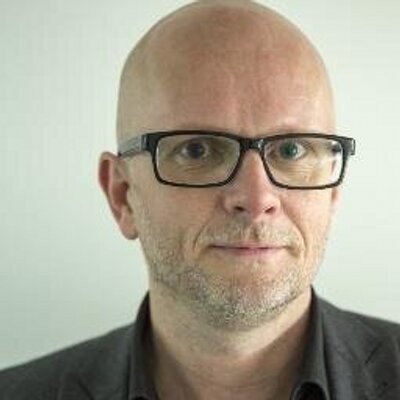
作者簡介:西蒙·查德威克,任教于英國索爾福德大學,被聘為“92班“教授,教授“體育企業”,“體育戰略”等課程。同時他還擔任2022卡塔爾世界杯研究項目主任。與西蒙·查德威克教授合作過的世界頂級體育組織包括巴塞羅那足球俱樂部、歐足聯、德國足球甲級聯賽、阿迪達斯、米其林、國際網球聯合會、德勤和Repucom。
Simon Chadwick is 'Class of 92' Professor of Sports Enterprise at Salford University Manchester and Director of Research for the 2022 Qatar World Cup. He has worked with many of the world's leading sports organisations including FC Barcelona, UEFA, the Bundesliga, Adidas, Michelin Motorsport, the International Tennis Federation, Deloitte and Repucom.
·END·
聲明:配圖除署名外均來自網絡。本文為懶熊體育原創或編譯,未經同意不得轉載或引用。