


任何體育項目的核心目標都是維持結果的不確定性,換句話說,他們需要保證,比賽結束之前沒有任何一個人能夠知道比賽的結果。為了達到這個目標,管理層需要保持競爭的平衡性;也就是說,參與競爭的兩方要勢均力敵。因此組建、經營和發展體育聯盟遠比想象中的要復雜和艱難。
1992年英國超級聯賽的誕生是英國足球歷史上最具深遠意義的變革之一。以1990年出臺的一紙文書“英國足球藍圖”為根基,英超一路風雨兼程,已經基本完成了足球在英國的商業化和英超聯賽的海外市場營銷。世界足球頂級富豪俱樂部排名榜上英國占據了半壁江山,而英超的比賽已經遠銷200多個國家,登上了大銀幕。
當然,英國足球這一路走來并非十全十美。新聯盟的誕生本應惠及國家隊,然而自從1992年以來,英格蘭國家隊再未能染指大賽的桂冠,也很少出現在世界排名的前列。除此之外,英國俱樂部在歐洲冠軍聯賽的征途也是十磨九難。英超最大的俱樂部曼聯2009年以后再未能問鼎歐冠。
對于英超聯賽給英國的其他級別聯賽,乃至整個歐洲帶來的影響,人們的看法褒貶不一。歐足聯使用“財政公平競賽規則”的原因之一就是為與英國足球日益壯大的金元力量抗衡。此外,盡管活躍于英超的俱樂部賺的盆滿缽贏,但是,低級別聯賽的俱樂部仍然囊中羞澀。
英超官方一直聲稱英超聯賽為英國足球帶來了積極的影響。英超資助了英國足球各級別的比賽,包括社會活動,社區組織以及草根足球。他們還自稱是全歐洲分配獎金最公平的足球聯盟。但評論家們并不這么看,他們強調在分發獎金時,如阿森納和切爾西這樣的大俱樂部常常切走最大塊的蛋糕。事實也確實如此,雖然上個賽季萊斯特城問鼎英超(阿森納排名第二),但他們只排在獎金榜的第五位,阿森納則拿到了最豐厚的獎金。
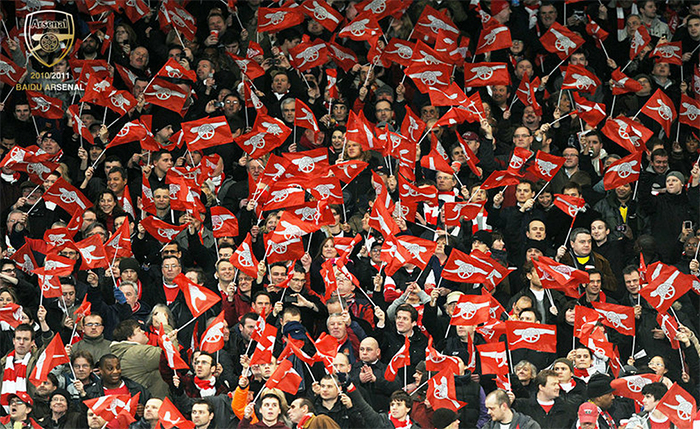
▲ 粉絲眾多的阿森納在上賽季獲得了英超獎金榜的頭名
關于英超利弊兼存的討論將人們的視線轉向了聯盟的構造以及聯賽的設計方面,這是任何體育項目的管理層都無法逃避的難題。任何體育項目的核心目標都是維持結果的不確定性。換句話說,他們需要保證,比賽結束之前沒有任何一個人能夠知道比賽的結果。為了達到這個目標,管理層需要保持競爭的平衡性;也就是說,參與競爭的兩方要勢均力敵。
舉例來說,在美國這樣的目標是通過特許經營,工資上限以及選秀系統的組合來實現的。在歐洲,特別是足球,維持競爭的平衡性是一個很棘手的難題。歐盟法律規定球員的工資不能被任何監管當局以任何方式限制。同時歐洲也沒有和美國職業籃球聯賽(NBA)相似的大學選秀機制。特許經營體系在歐洲體育界也是空白;俱樂部坐落于與其有歷史聯系的社區。將俱樂部遷移到其他地區會引起球迷的巨大恐慌。
因此組建、經營和發展體育聯盟遠比想象中的要復雜和艱難。歐足聯目前正在研究改進歐洲冠軍聯賽的方法,聯賽的一些既得利益者呼吁歐冠聯賽恢復“聯賽冠軍”的準入門檻。然而在現行的體制下,歐洲冠軍聯賽已經成為世界體育商業巨頭之一,每年從小組賽和之后的淘汰賽中獲得數百萬美元的收益。
重新設計歐洲冠軍杯需要歐足聯拿出相當微妙的政治手段。歐冠帶來的經濟收益十分豐厚,許多俱樂部憑借晉級歐冠的獎金發家致富。但歐洲各地的幾支頂級球隊主宰歐冠的局面引發了批評意見,有人認為歐冠聯賽嚴重偏向少數幾家俱樂部,而“財政公平競賽規則”在這方面也沒有發揮很大作用。
與此同時,歐洲的幾大俱樂部如皇家馬德里,尤文圖斯和曼聯則已經急不可耐的表示自己為歐冠的轉播和贊助帶來了巨大的商業吸引力,理所應當應該分得更多的獎金。的確,歐洲俱樂部協會發表言論聲稱,歐洲的頂級俱樂部足球可能正在考慮脫離歐足聯,另建一個聯盟,提供除歐冠之外的另一個選擇。
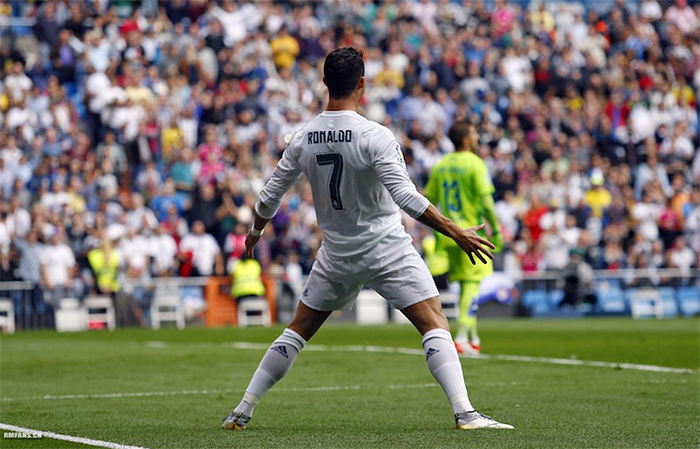
▲ 擁有C羅的皇家馬德里在上賽季奪得了史上第11次歐冠冠軍
而在規則和聯賽設計上動腦筋的,可不止這些站在食物鏈頂端的大俱樂部。最近幾周以來,英格蘭足球聯賽的有關人士聲稱他們將進行自英超誕生以來英國足球最重大的改革。從2019-2020賽季開始,英格蘭足球聯賽將新增一個由20支球隊組成的新級別聯賽,加入到100支球隊、5個級別聯賽組成的新英國足球聯盟體系中。
這項提議的將使低級別聯盟的俱樂部每個賽季少踢4場比賽,該提案的支持者認為這能緩解過于密集的賽程。而小俱樂部的開支也得以降低,現在他們常常為了參加客場比賽而長途旅行。英格蘭足球聯賽認為這次重組為在周末和國定假日安排比賽提供了契機,使上座率最大化(帶來更多的收入)。很顯然,評論者抨擊了這項提議,認為這樣做既沒有新意,經濟上也不夠合理。許多俱樂部認為每賽季少踢4場比賽會給他們的財政收入帶來重創。
聯賽的設計也并不僅僅是足球界的難題。舉例來說,一級方程式賽車比賽在這個賽季先是啟用隨后又擯棄了一套新的排位賽規則,在明年則會引入新的技術規定。這是管理部門的平衡之計,一方面他們要設計更激動人心的競賽,另一方面他們又要滿足賽車手的需求并且盡可能縮減車隊的開支。聯賽的設計以及參與的規則是體育的最重要的矛盾,以至于一個體育項目、一個聯盟或者一場大型賽事的成敗全都取決于此。
The Premier League’s (PL) formation in 1992was one of the most profound developments in English football history. Basedupon a document entitled the ‘Blueprint for English Football’, published in1990, the League has achieved much of what it set out to do, particularly interms of commercialising football in England and marketing the league overseas.Many of the teams appearing in global rankings of the richest clubs in footballare English, while the League is televised live in more than 200 countries.
There have been failings and criticisms toothough; creating the new league was supposed to have benefited the nationalteam, yet England has failed to win any tournaments since 1992 and it has onlysporadically appeared at the very top of FIFA’s world rankings. Furthermore, inspite of some successes, English teams have often struggled in the UEFAChampions League. The league’s biggest club, Manchester United, has failed towin the competition since 2009.
Opinion is divided on the wider impact thePL has had on other levels of football in England, and indeed across Europe.One reason why UEFA introduced its Financial Fair Play Regulations was tocounter the growing economic power of English football. Moreover, while teamsregularly appearing in the PL have prospered commercially, English clubs fromthe grassroots level up to Championship continue to struggle financially.
PL officials continue to assert that theleague has had a beneficial impact on football across England. Payments aremade by the PL to football at all levels of the game, including for socialprogrammes, community initiatives and grassroots. The PL also claims that, whenit is distributing prize money, it is the fairest league in European football.Critics however disagree, many highlighting how bigger clubs like Arsenal andChelsea dominate when prize money is being handed-out. Indeed, althoughLeicester City finished first in last season’s competition (and Arsenalsecond), City only came fifth in the prize money league table while Arsenal cametop.
Whatever the pros and cons of the PL, adiscussion about them raises the kind of questions about league formation andcompetition design that all sports administrators inevitably face. At the heartof any sport is the need to uphold the principle of uncertainty of outcome. Inother words, they need to ensure that one never knows who will win until amatch or a game is over. To achieve this, the administrators must maintaincompetitive balance; in other words, that two competitors of relatively equalstature compete in a contest against one another.
In, for example, the United States, this isachieved through a combination of franchising, salary-capping and playerrecruitment via a draft system. In Europe, particularly in football,competitive balance is a rather more challenging matter. Under European Unionlaw, player salaries cannot be constrained in any way by a regulatoryauthority. At the same time, there is no college draft for players as there isin the likes of the National Basketball Association (NBA). There is nofranchise system either in Europe; clubs are located in communities with whichthey have historic ties. Moving them elsewhere would cause huge consternationamong fans.
Organising, managing and developing sportsleagues are thus rather more complex challenges than one might imagine. UEFA iscurrently examining ways in which the Champions League (CL) can be improved,with several stakeholders in the competition calling for the competition torevert to being a ‘champions only’ tournament. Yet in its current format, theCL has become one of global sport’s commercial giants, drawing multi-milliondollar revenues from its initial league and then subsequent knockout format.
A redesign of the CL would need to be asubtle political exercise for UEFA. The tournament is hugely lucrative, whichhas seen many teams grow and prosper on the back of revenues they have securedby qualifying for it. But the dominance of some teams from leagues acrossEurope has led to criticism from some that competition is being unfairly skewedtowards a small number of clubs, in spite of Financial Fair Play regulations.At the same time, several of Europe’s bigger clubs are already agitated thatthey are the big financial appeal for broadcasters and sponsors, hence theircall for the likes of Real Madrid, Juventus and Manchester United to be givenmore money by UEFA. Indeed, statements coming out of organisations such as theEuropean Club Association suggest that some of club football’s leading figuresin Europe might be considering a breakaway league as an alternative to the CL.
Such decisions about competition design andrules are not simply confined to the upper echelons of world football. Indeed,in recent weeks England’s Football League (FL) has announced measures which ithopes will lead to the most radical transformation of English football sincethe PL’s inception. From 2019-2020, the FL wants to create an extra divisionconsisting of 20 teams which will be part of an overall English professionalleague structure consisting of 100 teams playing in five divisions.
The proposal would result in lower leagueclubs playing four fewer games each season, something that advocates of thechanges believe would reduce fixture congestion. This in turn would reducecosts for smaller clubs, which sometimes have to travel long-distances to awaygames. The FL also sees the reorganisation as an opportunity to schedule gamesat weekends and during public holidays in order to maximise attendances (whichwould generate additional revenues). Inevitably though, critics have hit backto the proposals claiming that they are neither innovative nor financiallysound enough. Some club officials believe that four fewer games will leave amassive hole in their finances.
And these are not just football’s issues;for example, this season Formula 1 has already adopted and then abandoned a newqualifying format and next year will introduce new technical regulations. Thisis a balancing act for the sport’s governing body as it seeks to create more excitingcompetition whilst satisfying the needs of drivers and minimising operatingcosts for teams. Competition design and its attendant rules and regulations aremajor issues for sport, so much in fact that they can ultimately make or breaka sport, a tournament, a league or an event.

作者簡介:西蒙·查德威克,任教于英國索爾福德大學,被聘為“92班“教授,教授“體育企業”,“體育戰略”等課程。同時他還擔任2022卡塔爾世界杯研究項目主任。與西蒙·查德威克教授合作過的世界頂級體育組織包括巴塞羅那足球俱樂部、歐足聯、德國足球甲級聯賽、阿迪達斯、米其林、國際網球聯合會、德勤和Repucom。
Simon Chadwick is 'Class of 92' Professor of Sports Enterprise at Salford University Manchester and Director of Research for the 2022 Qatar World Cup. He has worked with many of the world's leading sports organisations including FC Barcelona, UEFA, the Bundesliga, Adidas, Michelin Motorsport, the International Tennis Federation, Deloitte and Repucom.
·END·
聲明:文中觀點僅代表作者本人觀點,不代表懶熊體育。