


許多英國人都喜歡一首叫作“Rule Britannia”《大不列顛,天下至尊》的歌曲;不熟悉這首歌曲的讀者可能不太了解,這首歌創作于18世紀,它代表著大英帝國作為世界經濟和殖民霸主的時代。而這首歌在今天還廣受歡迎則是英國在后殖民時代仍糾結于自身的身份和地位的典型表現。曾經主宰世界的英國,現在被其他國家超越,這是英國人如今仍然難以接受的事情。
但至少英國人還有足球,還有英超。他們對這個國家的足球傳統極為自豪,總是認為英超是世界上“最好的足球聯賽”。對于他們來說,這個“最好”意味著在英格蘭聚集著最有天賦的球員,最著名的球隊,最富有的俱樂部和最昂貴的比賽電視轉播合同。
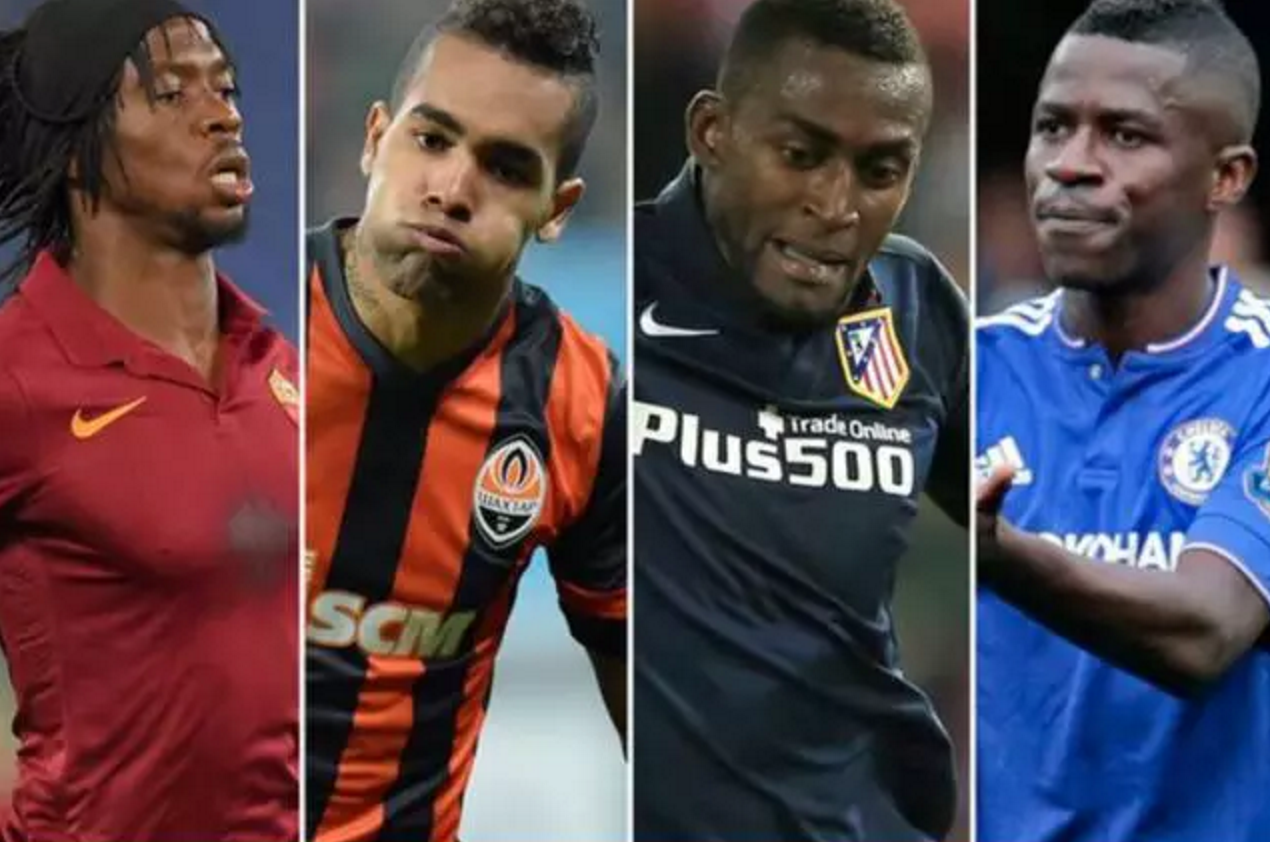
所以,想象一下,當拉米雷斯決定離開上賽季的英超冠軍切爾西而加盟中超聯賽的第九名——江蘇蘇寧的時候,英國球迷有多么驚訝。很多人當時的反應是“江蘇蘇寧是哪個?”和“中國人真的會踢球嗎?”。緊接著拉米雷斯的轉會,杰克遜?馬丁內斯、阿萊克斯?特謝拉、艾斯奎爾?拉維奇等知名球員相繼轉會中超,大部分英國人又開始貶低這些球員的重要性,稱他們僅僅是雇傭兵罷了。
但“雇傭兵”這個詞出現在這里顯得是如此的具有諷刺意味,因為原本英超就被其他國家的球迷看作是雇傭兵的聚集地,但英國人則認為這些球員是為了能在世界最好的聯賽踢球這一榮譽(而不是錢)而來。當英格蘭球迷,退役球員,媒體專欄作家嘲笑與貶低中國足球俱樂部的行動時,阿森納主教練溫格的觀點卻更加冷靜務實。
在近期一次新聞發布會上,溫格被問到中國足球的問題時,他認為英超必須把中超視為一個威脅。法國人的觀點反映了一個大家普遍關心的問題,即使世界上最好的足球從業者現在有的也逐漸開始認為中國是一個比英國更具吸引力的國家。同時,溫格的話還要放在一個特定的環境下來理解,即英格蘭俱樂部吸引世界最好球員的能力還要受到歐足聯財政公平法案的限制。在轉會費高企,球員工資瘋漲的背景下,溫格的觀點意味著,在爭奪精英球員的問題上,英超的俱樂部也許會失去他們對于中國俱樂部的競爭優勢。
而當英國人逐漸意識到中國足球俱樂部在轉會窗口開放期間所能做到的事情后,他們又開始了另一場批判與嘲諷,質疑這種轉會熱度能持續多久。許多人找來了俄羅斯聯賽的安郅·馬哈奇卡拉足球俱樂部作為大肆買人卻又失敗的例子。像埃托奧和羅伯特·卡洛斯這樣的球星曾陸續轉會安郅,而當俱樂部老板遭遇財政問題時,他們又很快被驅逐。
之所以出現這樣的理解,問題在于很多英國人并不了解中國和俄羅斯,僅僅因為兩國在政治制度上在歷史上曾經相同,所以這兩個國家在他們眼里一直非常相似。更重要的是,他們既不理解中國政府的決策層在其中所起的作用,也完全不懂得中國文化(不管是體育還是其他)。而很多英國人都有這種習慣性的典型思維,在這種思維的助推下,英國足球就很難看得起中國足球。比如,英國人對中國足球的通常看法是徹底腐敗和不應該被信任的;又或者是因中國的政治制度與英國不同,所以中國在商業領域就會有某種無能,他們對于足球的投資并不會對英國人自詡的“世界第一聯賽”形成威脅。
但荒唐的是,當英國球迷一再向自己灌輸中國是個社會主義國家,其足球對英國沒有威脅的同時,他們又眼巴巴的渴望著來自于中國的幫助。實際上,包括埃弗頓、阿斯頓維拉、西布羅姆維奇等許多英格蘭俱樂部的球迷都經常在社交媒體上懇求中國投資者來投資他們的俱樂部。為了追趕切爾西、曼城、阿森納這樣俱樂部,很多球迷看起來極度渴望一位中國的企業家或者一家來自中國的私募基金可以為他們的俱樂部開啟一場購買頂級球員的狂歡。
英格蘭球迷身上這種明顯的兩面派性格也是英國政府的行為特色。在過去的幾十年里,英國政府自己并沒有對民間足球進行投資,而是把資金的問題留給體育本身或者私營公司,讓他們去投資球場建設、訓練設施、康復管理等項目。這種做法使得足球行業的很多人感到氣憤,尤其是在英國首相大衛·卡梅倫表明自己是個忠實的足球迷的情況下。因此,當去年卡梅倫決定向中國提供三百萬歐元以支持中國足球發展的時候,英國球迷的火就更大了。當下英國的民間足球設施已經非常陳舊,所以很多英國人對卡梅倫的邏輯提出了質疑。
盡管如此,這筆資助的背后卻存在著其合理性,卡梅倫意識到軟實力的影響力可以通過足球來發揮。雖然對卡梅倫政府更有分量的批評認為,如此的一筆小錢對資本雄厚的中國政府來說并不能起到顯著的作用。但正如習近平主席一定會表示出他對此事的感謝,這樣的足球外交是建立政治資本的好方法。雖然在英國,人們并不習慣于像中國和習近平主席一樣,在這個維度看待和討論足球。
至少到目前為止,在英國人的眼里,談到足球便是“大不列顛,至尊天下”。盡管如此,中國、中超以及他們對于足球的野心正迅速的出現在英國偵測威脅的雷達上。這個威脅是否真實且會長期存在也許很大程度上依靠于中國政府決策層能否長期關注足球以及中國本身對于世界第一運動的胃口,但無論最近的這些發展所帶來的結果怎樣,看起來,英國人都要改變他們對于英國國際地位的看法了。畢竟在25年前,誰能構想出今日中國的樣子?所以,誰又能知道25年后中國足球的樣子呢?
英文原文
THEHOME OF FOOTBALL? ENGLAND REACTS TO CHINA’S TRANSFER SPENDING SPREE
Many English people love a song entitled‘Rule Britannia’; for readers unfamiliar with this song, it dates back to the 18th century and refers to an age when Britain was an economic andcolonial superpower. The fact that people still like this song is symptomatic of a country that continues to struggle with its post-colonial identity. Wher ethe British used to dominate now other countries are more powerful, something that Britain is struggling to get used to.
Still, at least there is football, inparticular English Premier League (EPL) football. English people, are very proud of the country’s football heritage and routinely refer to the EPL as the‘world’s best league’. What this means for them is that England is the home ofthe most talented players, the biggest teams, the commercially strongest clubs,and the most financially lucrative television deals in the world.
Imagine the surprise for English fans therefore when Chelsea’s Ramires decided in January to leave last season’s EPL winners for Jiangsu Suning, a team that finished 9th in last season’s Chinese Super League (CSL). Many peoples’ immediate response was to ask ‘who is this club?’ and ‘do the Chinese really play football?’ When Ramires’ transfer was followed by the moves of Jackson Martinez, Alex Texeira,Ezequiel Lavezzi and others, most English people tried to discount their significance by referring to these players simply as mercenaries.
This term is somewhat ironic given that,while other countries have in the past often labelled the EPL as a home for mercenaries, the English have generally viewed such players as coming because of the prestige of playing in the world’s best league (rather than for themoney). But as many English football fans, ex-players and media columnists have mocked and dismissed China’s latest attempts to improve its football, Arsenal manager Arsene Wenger has adopted a more realistic tone.
When questioned about China at a recent press conference, Wenger said that the EPL must see the CSL as a threat. The Frenchman’s observation reflects a broader concern that the world’s leading players may now view China as a more attractive country to play in than England. Wenger’s statement also needs to be set in the context of English clubs’ ability to attract the world’s best players, given UEFA’s financial fairplay regulations. With transfer fees being bid-up and player salaries rapidly inflating, Wenger’s view seems to be that the EPL’s clubs might lose their position of competitive advantage to China as the destination of choice for football’s elite players.
As the English slowly began to realise that Chinese football clubs meant business during the transfer window, the next line of defence for critics and cynics was to question how long the signing boom would last. Many people pointed to Russia and Anzhi Makhachkala being examplesof booms which very quickly then went bust. In the case of Anzhi, the likes of Samuel Eto’o and Roberto Carlos arrived and then very quickly departed once the club’s owner encountered financial difficulties.
The problem for many people in Great Britain though is that they do not understand either China or Russia, as they continue to see both countries as synonymous with communism and very similar toone another. Moreover, these people do not understand the role that China’s president plays, how Chinese state policy is enacted, nor do they have any sense of Chinese culture (sporting or otherwise). Hence, it has thus far been very easy for English football not to take China seriously, something helped by popular stereotypes that many people in Britain hold. For example, a common view is that Chinese football is completely corrupt and shouldn’t be trusted;or that because China is a communist country, its businesses are somehow inefficient and their investments in football don’t pose a threat to theself-appointed ‘best league in the world’.
Bizarrely though, while English fans have reassured themselves that a communist country and its football is no threat to them, at the same time many of them often look expectantly towards China for help. Indeed, fans of several EPL clubs including Everton, Aston Villa and West Bromwich Albion, have frequently taken to social media imploring Chinese investors to come and invest in their clubs. In an attempt to catch-up with the likes of Chelsea, Manchester City and Arsenal, many fans often seem desperate for a Chinese entrepreneur or private equity group to indulge in a spending spree on top players on their clubs’ behalf.
The apparently duplicitous nature of some English fans is a behavioural characteristic of Britain’s government too. Fordecades, the British state has failed to invest in grassroots football, leaving either the sport itself or its corporate partners to fund pitches, training facilities, health programmes and so forth. This angers many of the people involved in football, especially as prime-minister David Cameron routinely identifies himself as a committed football fan. It therefore angered English fans even more when Cameron last year gave China £3 million to help fund its football development. At a time when British grassroots football facilities are in a poor state, many people in England questioned his logic.
There is however a rationale behind the payment,as Cameron realises the soft power influence that can be exerted through football. A small £3 million award was an expedient move by Cameron, although the more significant criticism of his government would seem to be that such asmall amount won’t make too much difference to a nation with the financial resources that China has at its disposal. Still, as President Xi himself would surely acknowledge, such footballing gestures are a good way of building political capital. Unlike China and Xi though, Britain generally and normally neither sees nor discusses football in these terms.
For the time-being at least and in the eyes ofthe English, it is still a case of ‘Rule Britannia’ when it comes to football.However, China, the CSL and their football ambitions have very rapidly appeared on the radar of threats over here in Britain. Whether the threat is long-term and genuine may well depend on Xi’s longevity and on China’s appetite for the world’s favourite game. Whatever the outcome of recent developments though, itseems that the English face yet more pressure to change their views on the country’s place in the world. After all, 25 years ago who could have envisaged what China has now become? So, who knows where Chinese football might be in 25 years time?

作者簡介:西蒙·查德威克,任教于英國索爾福德大學,被聘為“92班“教授,教授“體育企業”,“體育戰略”等課程。同時他還擔任2022卡塔爾世界杯研究項目主任。與西蒙·查德威克教授合作過的世界頂級體育組織包括巴塞羅那足球俱樂部、歐足聯、德國足球甲級聯賽、阿迪達斯、米其林、國際網球聯合會、德勤和Repucom。
Simon Chadwick is 'Class of 92' Professor of Sports Enterprise at Salford University Manchester and Director of Research for the 2022 Qatar World Cup. He has worked with many of the world's leading sports organisations including FC Barcelona, UEFA, the Bundesliga, Adidas, Michelin Motorsport, the International Tennis Federation, Deloitte and Repucom.